
Joint health is a crucial aspect of overall wellness that often goes overlooked. A well-balanced diet can significantly contribute to maintaining joint function and reducing inflammation. SendiDoc provides valuable insights into the relationship between nutrition and joint health, offering practical guides for optimizing your diet, managing pain, and promoting mobility. By incorporating Perawatan di Rumah into your routine, you can enhance your joint health and improve your quality of life.
A clear starting point for pill and pharmacy
Understanding the intricate link between nutrition and joint health is key to managing discomfort and maintaining mobility. A diet rich in anti-inflammatory foods can play an essential role in supporting joint function. Additionally, the right vitamins and minerals can help alleviate pain and promote healing. This overview delves into how supplements, dietary choices, and lifestyle habits can lay the foundation for better joint health. This knowledge empowers individuals to make informed decisions about their nutrition and overall care, enhancing their daily life and mobility.
Using the right supplements alongside a healthy diet is paramount; ensuring the body receives the essential nutrients is important for joint function. Incorporating beneficial home care practices, such as appropriate body position and light mobility exercises, can also yield significant improvements in comfort and function.
How to optimize your joint health through diet
Optimizing your joint health involves a systematic approach to nutrition and lifestyle changes. Here’s a step-by-step guide to enhancing joint health through diet:
- Evaluate Your Current Diet: Assess your intake of foods rich in omega-3 fatty acids, antioxidants, and vitamins that support joint health.
- Add Anti-inflammatory Foods: Incorporate foods such as fatty fish, nuts, and leafy greens into your meals to combat inflammation.
- Stay Hydrated: Drink plenty of water to maintain joint lubrication and support overall health.
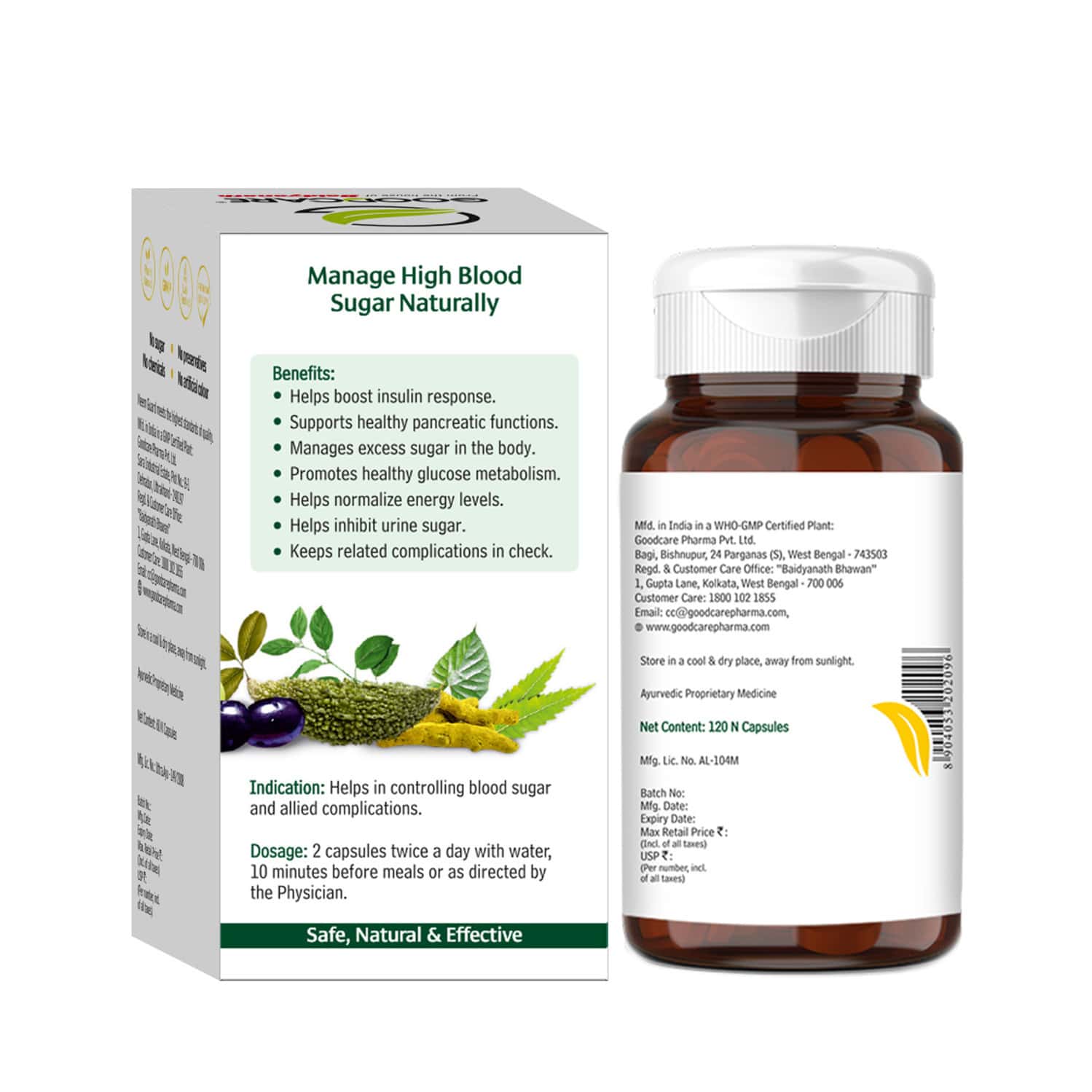
- Consider Supplements: Explore supplements like glucosamine, chondroitin, and turmeric that may provide relief from joint pain.
- Monitor Portion Sizes: Maintain a healthy weight to reduce stress on your joints and prevent further discomfort.
- Evaluating your diet can shed light on hidden inflammatory foods.
- Anti-inflammatory foods can promote healing and reduce pain levels.
- Hydration is key for joint lubrication and overall health.
Practical steps for incorporating joint-friendly foods
Incorporating joint-friendly foods into your daily diet can be easier than you think. Begin by focusing on simple substitutions and additions that enhance the nutritional profile of your meals. For instance, consider swapping red meat for fatty fish like salmon or mackerel, which are high in omega-3 fatty acids. These essential fats are known for their anti-inflammatory properties that can aid in joint health. Additionally, including a variety of colorful fruits and vegetables can provide vital antioxidants that combat oxidative stress, further supporting joint function.
- Opt for whole grains over refined grains to enhance fiber intake.
- Include nuts and seeds as healthy snacks to provide healthy fats and protein.
- Experiment with herbs and spices like turmeric and ginger, known for their anti-inflammatory effects.
Regularly incorporating these foods and practices into your nutrition plan can significantly improve joint health and alleviate discomfort. Furthermore, improvement can be seen not only in joint mobility but also in overall energy levels and well-being.
Key benefits of a joint-friendly diet
Adopting a diet that prioritizes joint health can lead to numerous benefits that enhance daily life. Beyond reducing inflammation, these dietary adjustments can provide a holistic approach to wellness, improving both physical and mental health. A balanced intake of nutrients can help maintain optimal joint function, while also contributing to better mood and energy levels throughout the day.
- Improved joint mobility and function, allowing for a more active lifestyle.
- Reduced inflammation, leading to decreased pain and discomfort.
- Enhanced overall nutritional status, supporting other body systems.
- Better weight management, contributing to lower stress on joints.
These benefits highlight the importance of viewing nutrition as an integral aspect of joint health and overall wellness, encouraging a proactive approach to dietary choices.

Trust and security in nutrition choices
When it comes to optimizing joint health through nutrition, trust in the sources of your supplements and food is paramount. Selecting high-quality products from reputable brands can make a significant difference in effectiveness and safety. Always look for third-party testing certifications and opt for transparency in ingredient sourcing to ensure you are making informed choices. Such diligence can help minimize risks and enhance the benefits you experience from your dietary adjustments.
Moreover, engaging with healthcare professionals, such as dietitians or nutritionists, can provide additional guidance tailored to your specific needs and conditions. They can help create a personalized nutrition plan that aligns best with both your dietary preferences and health goals.
Why choose a diet focused on joint health
Embracing a diet focused on joint health is not just about managing pain; it’s about enhancing your overall quality of life. By incorporating nutrient-dense foods, staying informed about the right supplements, and maintaining a healthy lifestyle, you can empower yourself to make choices that support your joint health journey. This proactive approach can lead to lasting benefits, ensuring that you enjoy an active and fulfilling life.
Join the movement towards better joint health today; leverage the resources available, such as those provided by SendiDoc, to optimize your wellness journey effectively. Through informed dietary choices and practical home care, you hold the key to a comfortable, mobile future.